
Debunking Paint Protection Film Myths: Separating Truth from Fiction
If you're thinking about protecting your car's paint, you've probably heard mixed stories about paint protection film (PPF). Some say it's only for expensive cars; others worry it won't last or will change how the car looks. The truth? Paint protection film has come a long way and is more useful and affordable than many realize. In this article, we'll clear up the most common myths around PPF so you can make a smart choice without confusion or doubt. Modern PPF offers advanced features like self-healing surfaces and UV resistance, making it a valuable investment for protecting any vehicle's paint. Professional application is recommended for best results, though DIY options exist for enthusiasts willing to invest the time.
Is PPF Only for Luxury Cars?
The belief that paint protection film belongs exclusively on luxury cars is deeply rooted in its origins. Early adopters were high-end vehicle owners willing to invest thousands to preserve pristine paint after paying hefty price tags for their rides. But times have changed dramatically. Nowadays, PPF has become accessible and practical for a broad spectrum of vehicles, far beyond just luxury cars. Thanks to advancements in film technology and manufacturing, costs have dropped while performance has improved. This has made it possible for economy cars, work trucks, and even motorcycles and bicycles to use PPF as a primary protective layer.
Recent industry data shows that nearly half of PPF installations are now on vehicles valued at moderate price points. That's substantial evidence that everyday drivers see value in protecting their investments too. From commuter sedans facing city debris to family SUVs enduring suburban roads, PPF guards against common hazards like rock chips, minor scratches, and environmental damage that all vehicles face regardless of price or prestige. This protective layer extends paint life by years, preserving both appearance and resale value for owners who want practical benefits rather than luxury status. The protective qualities of modern PPF ensure that even average cars enjoy lasting shine and minimized wear that might otherwise diminish their value over time.
Durability and Performance of PPF
Many people believe that applying PPF grants their car's paintwork an invincible shield, making scratches, chips, and damages virtually impossible. This idea sounds great, but this perception oversimplifies what PPF can actually do. It's crucial to recognize that while PPF offers robust defense against many everyday hazards, it isn't an impenetrable armor. Paint protection film performs exceptionally well against the common issues most drivers face daily: minor abrasions from keys or shopping carts, small stone chips from road debris, damage from bird droppings, and fading caused by prolonged sun exposure. Its composition and thickness give it surprising resilience. The self-healing qualities built into premium films allow small surface scratches to disappear with heat from the sun or engine warmth, preserving your paint's pristine look without intervention.
But that strength has its limits. When significant force comes into play, such as a heavy impact from a fallen branch during a storm, a parking lot collision, or a deep scratch from sharp tools, the film can be pierced, torn, or heavily damaged alongside the underlying paint. In those cases, PPF cannot act like an invisible bulletproof vest. Instead, it behaves more like a sacrificial layer that absorbs some impact but doesn't make the entire vehicle indestructible. It's similar to wearing protective gloves when handling rough materials: they shield against mild scrapes but won't stop a powerful blade. A car owner should view PPF as damage mitigation, not damage elimination. Industry insights show that most PPF users report significant reduction in minor paint damage, especially in smooth urban driving environments. However, these same users acknowledge that PPF does not provide absolute protection in more severe incidents like accidents or vandalism involving deep gouges or large dents. To get the most from PPF without unrealistic expectations, choose high-quality film with proven self-healing and UV resistance. Focus on vulnerable areas such as front bumpers, hoods, and side mirrors rather than wrapping the entire vehicle unnecessarily. Maintain the film regularly with gentle cleaning to preserve its clarity and flexibility, and remember that no layer of protection replaces careful driving habits.
Understanding Yellowing Resistance in PPF
For many years, people believed that paint protection film would inevitably yellow after a while. This notion stems from earlier generations of PPF that lacked adequate UV-resistant coatings. Early films, exposed to sun and environmental elements, did degrade visually and develop a yellow tint. These early experiences left a lasting impression, making potential users wary. However, today's PPF technology has dramatically changed the story. Modern paint protection films incorporate advanced UV inhibitors designed specifically to block ultraviolet rays, the main culprits behind yellowing and discoloration. These improvements are not minor tweaks. They represent a leap forward in both the chemical formulation and manufacturing processes.
Leading manufacturers back these technological advances with explicit warranties against yellowing, offering customers tangible guarantees that their investment will remain clear and aesthetically pleasing for years to come. These warranties reflect both confidence in their products and a commitment to long-term quality. To ensure your PPF maintains its clarity, choose films from reputable manufacturers who publish detailed specifications on UV resistance and offer solid warranties. Additionally, regular maintenance such as gentle washing routines avoiding harsh chemicals can help preserve the film's condition over time. Although the fear of yellowing is understandable given past shortcomings, it should no longer deter anyone considering PPF.
Paint Protection Film Installation Methods
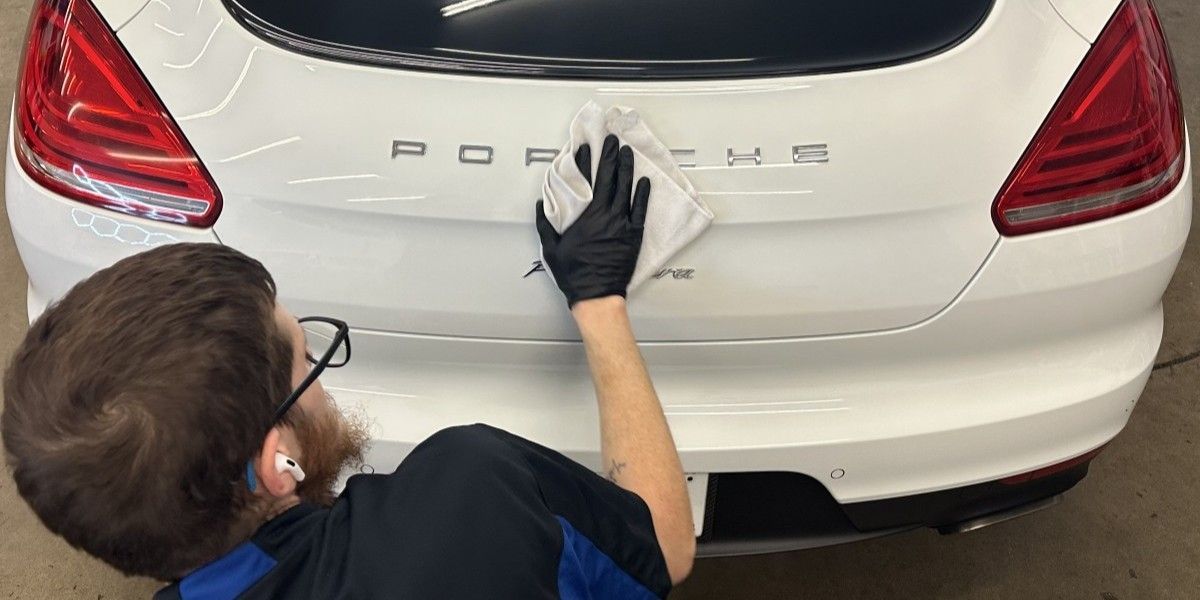
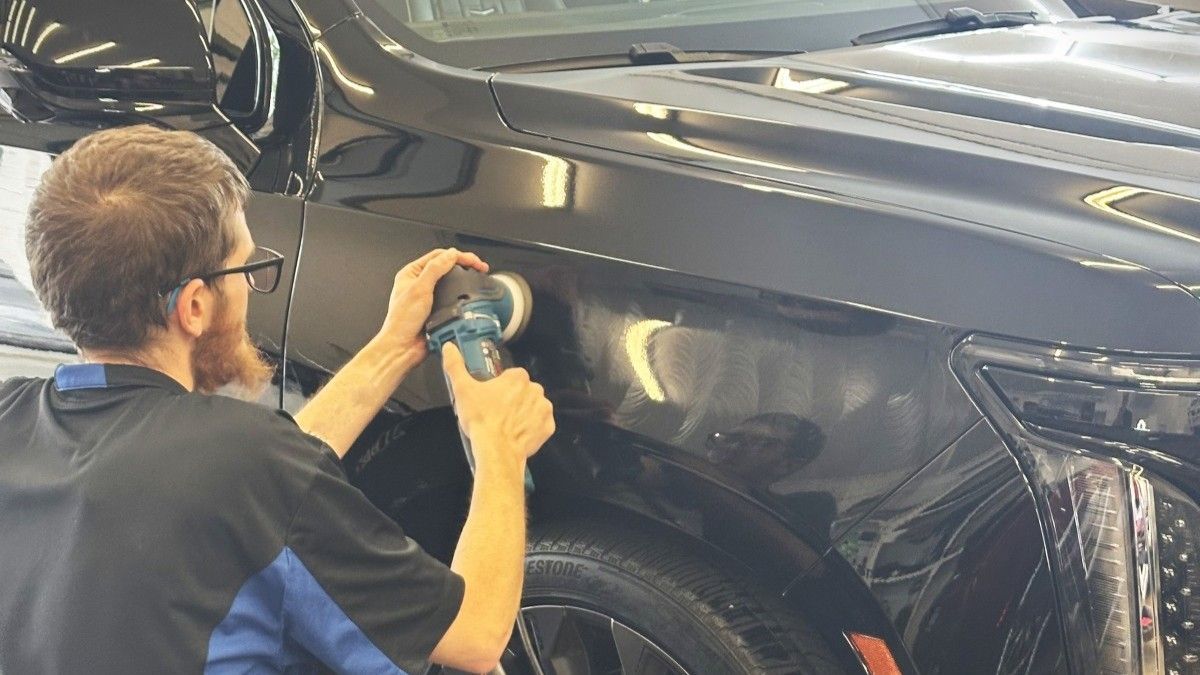
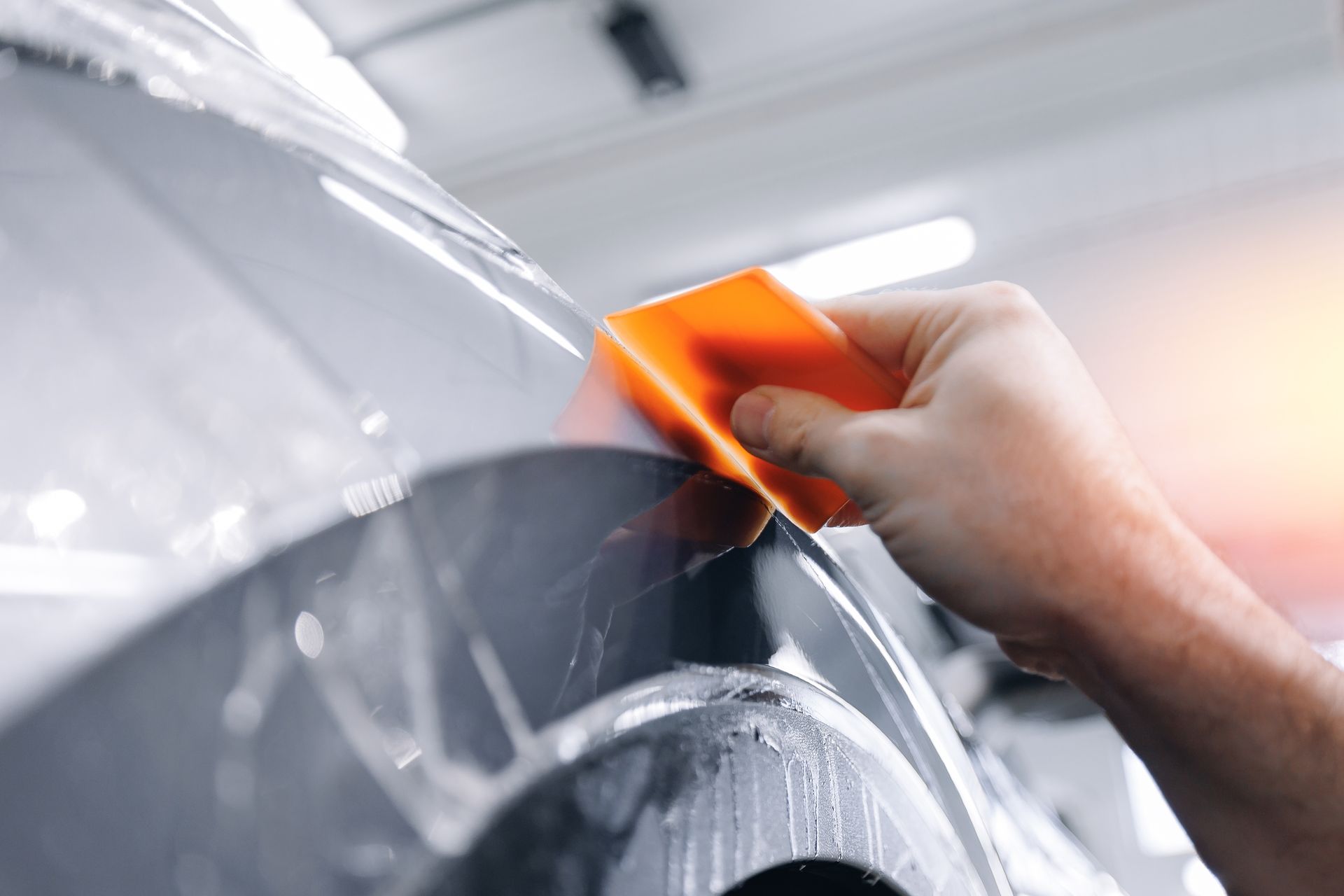
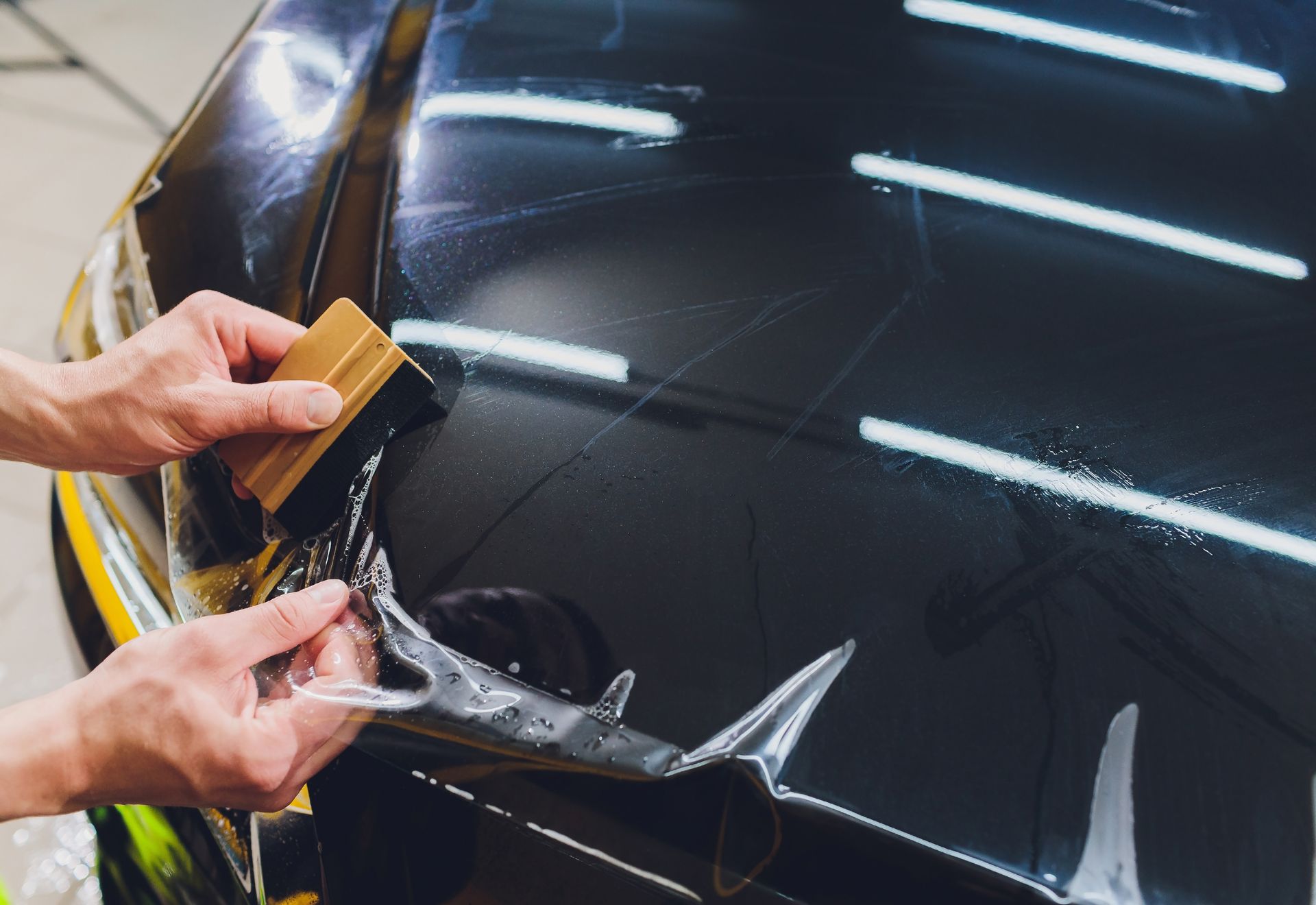
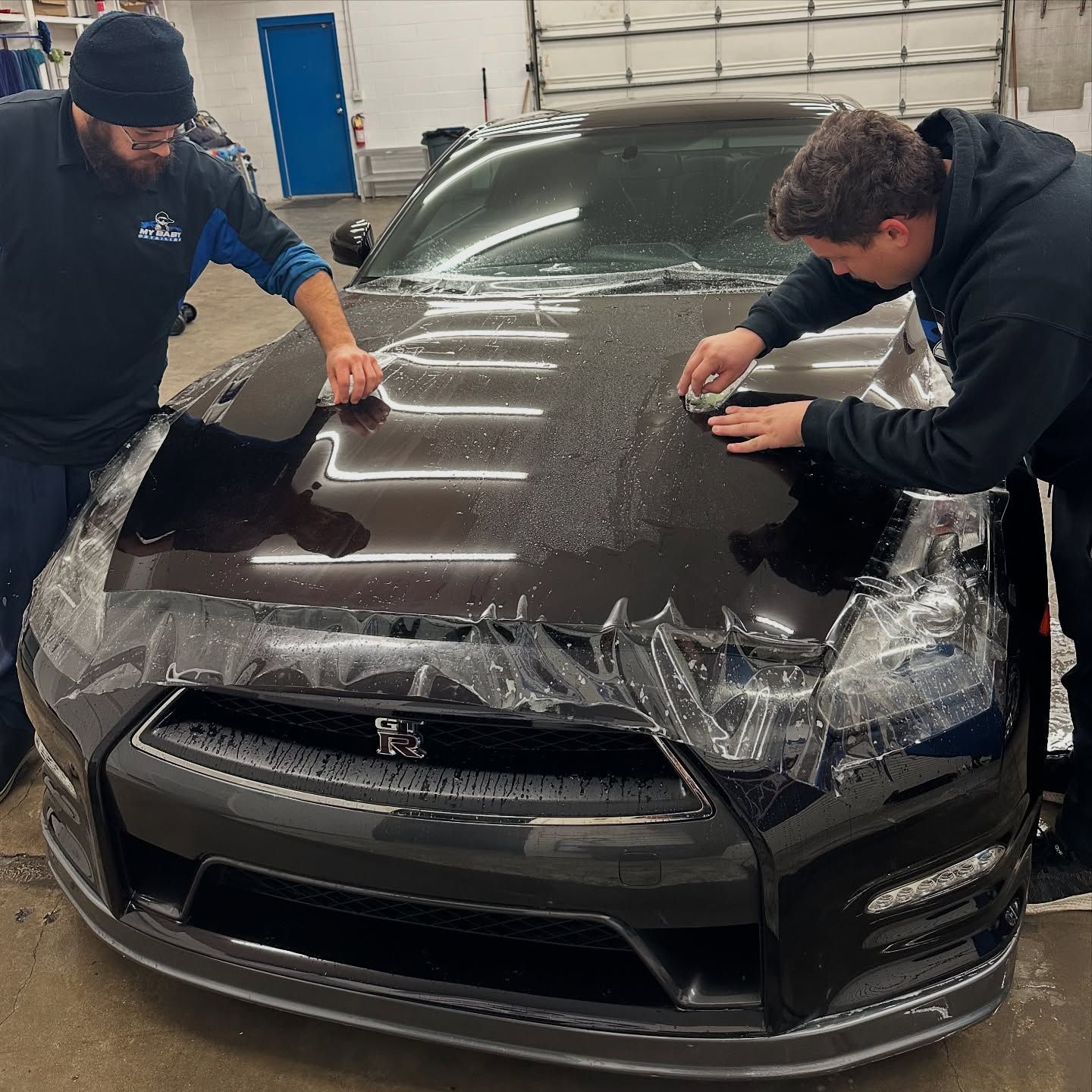
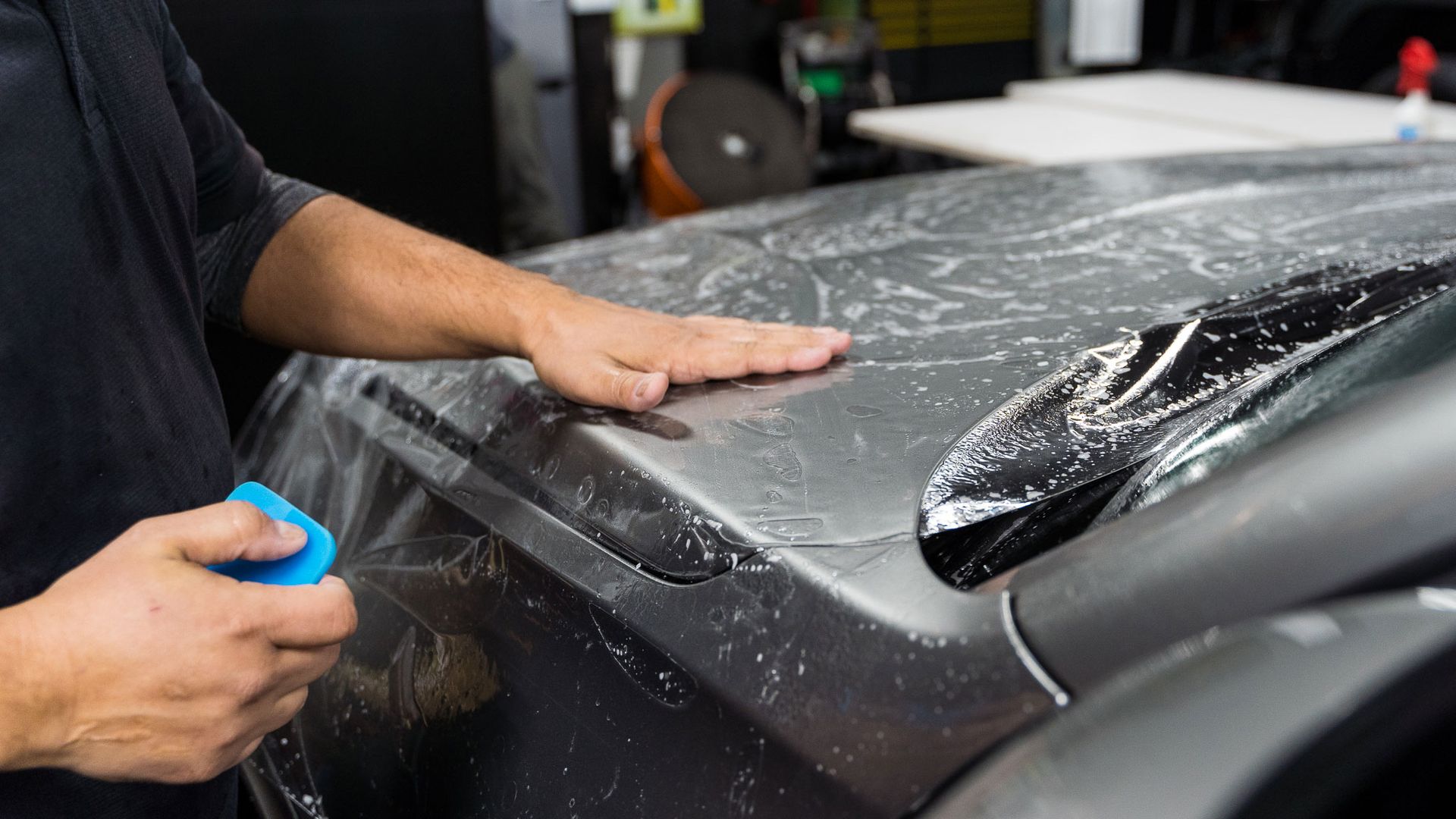
While installing paint protection film definitely requires a steady hand and some patience, it's not as intimidating as many people imagine. There is a common belief that only professionals with specialized tools and years of experience can successfully apply PPF, but this isn't entirely accurate anymore. The rise of quality DIY precut kits has lowered the barrier to entry considerably. These kits come carefully tailored to specific vehicle makes and models, meaning you don't have to wrestle with awkwardly fitting large sheets or cutting film yourself. These modern DIY options usually include detailed step-by-step instructions and sometimes even online tutorials to guide users through the process. Still, challenges exist: bubbles, wrinkles, or misalignments are common for beginners and can require careful reworking or patience during application. Professional paint protection film installation provides a higher level of accuracy and finish quality. Experienced installers bring finely tuned skills to the table, using specialized tools such as heat guns, squeegees, slip solutions, and precision cutters to ensure a flawless fit.
Professionals also apply the film under controlled environments that minimize dust contamination, a significant cause of flaws in DIY attempts. Even though the initial cost of professional installation is noticeably higher than a DIY kit, it often proves to be a better long-term investment due to fewer mistakes and comprehensive warranties that protect your investment for years. Installing PPF isn't simply about sticking a clear film on your paint. It's a meticulous process that demands precision from surface preparation right through final finishing touches. For car owners unsure about their skill level or those wanting a guaranteed showroom-quality finish, especially when covering high-impact zones, it's wise to invest in certified professionals.
Real Benefits of Using PPF
When you look beyond the myths and sales pitches, paint protection film offers genuine, measurable advantages that can save car owners both money and headaches. The very essence of PPF is its ability to shield your vehicle's paint from many hazards that most drivers face every day, things we often overlook until the damage is done. Vehicles equipped with PPF experience significantly fewer paint damage incidents caused by environmental threats such as UV rays, bird droppings, acid rain, and even small rock chips. This level of protection dramatically slows down the natural wear and fading that can make a car look older and less cared for than it really is. UV rays alone are notorious for breaking down paint layers over time. Even if you park indoors part of the day, sun exposure still sneaks in through windows or during the drive itself. Modern high-quality PPFs come with advanced UV-blocking properties that prevent this sort of damage, preserving your car's glossy finish without adding any visible layer or changing its color.
Beyond appearance, this preservation translates directly into dollars when it comes time to sell or trade in your car. Maintaining a pristine paint job can increase resale value significantly. That margin isn't trivial. It means that an upfront investment in PPF can pay dividends by protecting your car's market worth, especially if you plan on selling within five to ten years. When shopping for PPF, look for films offering self-healing capability that repairs minor surface scratches using warmth, high UV resistance that prevents paint oxidation, and hydrophobic properties that minimize dirt buildup and ease cleaning. Many films also allow style customization with matte or glossy finishes without compromising protection. Strategically applying PPF to vulnerable areas such as front bumpers, hoods, side mirrors, and door edges yields the highest return on investment. These spots typically suffer the most frequent impacts from road debris and daily use. Covering them means fewer chips and scratches where it matters most, saving repair costs and time over years.
Selecting the perfect paint protection film for your car may feel overwhelming with so many options available, but focusing on a few important factors simplifies the decision. Start by considering what kind of vehicle you drive and how you use it. A luxury daily driver that commutes in heavy traffic benefits profoundly from premium film with superior self-healing and long-term gloss retention. Meanwhile, a car frequently exposed to rough roads or extreme climates demands films that excel in abrasion resistance and hydrophobic properties. Driving conditions play a pivotal role in which film suits you best. If you often cruise through dusty landscapes, sandy highways, or gravel-filled country roads, opt for thicker films with tested rock-chip resistance. Films subjected to constant sunlight require excellent UV resistance to prevent yellowing over time. Match your vehicle's needs with a film's tested features and acknowledge your driving habits. This approach can make a significant difference between settling for average protection and enjoying years of pristine appearance. Arming yourself with knowledge about real-world performance and verified warranties empowers you to select a paint protection film that truly safeguards your vehicle while preserving its beauty for years to come.
Confidence Comes From the Right Installer
Once you understand the facts about paint protection film, the next step is choosing a shop that applies it correctly. My Baby Detailing offers
professional PPF installation in Mooresville, Indiana using quality films and a detail-focused process that supports long-lasting results. Whether you drive a daily commuter or a weekend favorite, their team helps ensure your paint stays protected where it matters most.
Reach out to explore coverage options built around your vehicle and driving habits!