
Professional Ceramic Coating: The Smartest Long-Term Paint Protection for Your Vehicle
Keeping your car looking fresh and protected can feel like a constant challenge. Road grime, fading, and environmental exposure seem unavoidable over time. Professional ceramic coating offers a smarter solution by creating a durable, invisible layer that bonds to your vehicle’s surface, delivering longer-lasting protection than traditional waxes. It helps your ride stay shinier and safer from everyday damage while cutting down how often you need to clean or fix it. If you're tired of chasing quick fixes, this guide will explain why ceramic coating might be the long-lasting solution your vehicle deserves. Professional ceramic coating is regarded as the smartest long-term paint protection because it forms a durable, transparent layer that shields your vehicle's paint from UV damage and environmental contaminants. Its advanced formula ensures lasting gloss and easier maintenance, making it a cost-effective and efficient choice for preserving your car's appearance over time.
Exploring Professional Ceramic Coating
Professional ceramic coating is not just another surface treatment; it's a transformative shield that chemically bonds with your car's paint. Unlike wax or sealants that merely sit on top, this coating integrates deeply with the clear coat of your vehicle, forming a durable and resilient armor. This bond results in a surface that's remarkably resistant to everyday hazards such as UV rays, acid rain, bird droppings, and road salt, all of which can degrade paint over time if left unchecked. The secret lies in the liquid polymer's ability to cure and form a hard, glass-like layer. This isn't just about gloss, though the shine is undeniably impressive. It's about long-term protection that preserves paint integrity against chemical stains.
The hydrophobic quality means water beads up and slides off effortlessly, carrying dirt particles away and preventing grime buildup. This effect reduces wash frequency and labor, saving time and money for busy car owners. From a technical standpoint, ceramic coatings are rich in silicon dioxide, extracted from quartz or sand. When applied correctly, this ingredient bonds to the paintwork through a process known as cross-linking, creating an extremely tight molecular structure. The end result is a surface that remains stable under high heat and resists oxidation much longer than traditional products.
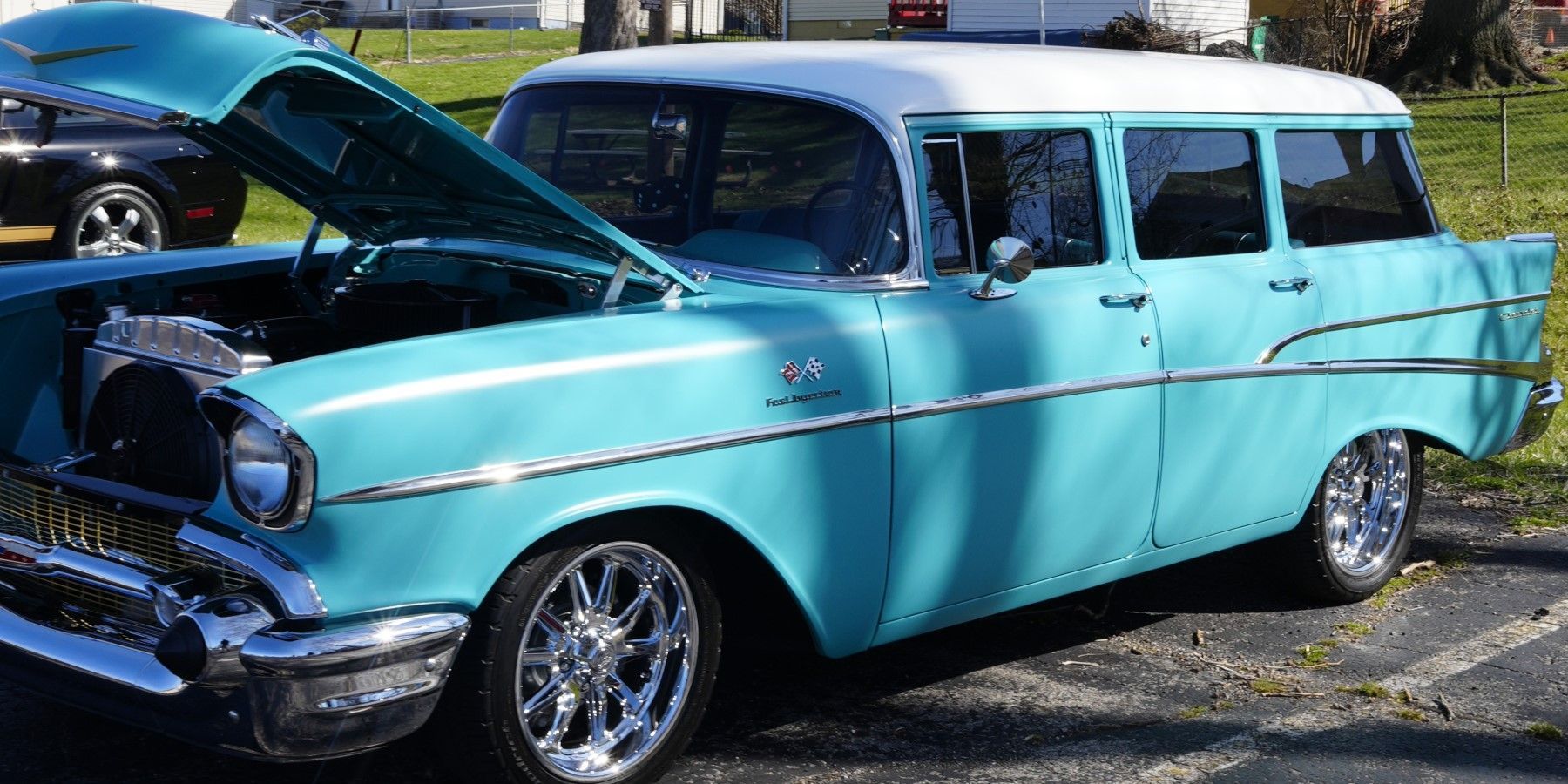
While the upfront cost and application time for professional ceramic coatings may exceed those of waxes or sealants, the long-term advantages are substantial. They significantly extend the life of your paint while maintaining a factory-fresh appearance year-round. Moreover, because the surface repels contaminants so effectively, cleaning your vehicle becomes less frequent and surprisingly easy. For best results, professional application is recommended because preparation is key. The vehicle must be meticulously cleaned and potentially corrected for imperfections before treatment. This ensures optimal bonding and maximizes performance. Professional ceramic coatings blend advanced chemistry with smart design to offer an elegant solution for vehicle care, one that prioritizes durability without compromising on aesthetic appeal.
The Science and Technology of Ceramic Coatings
Ceramic coatings hinge on the power of silicon dioxide, a compound that bonds directly with your car's paint at a microscopic scale. This bond is no ordinary surface layer; it forms a robust, glass-like shield that doesn't just sit on top but integrates with the paint itself. Unlike wax or sealants, which merely coat the surface, ceramic coatings fuse with the vehicle's finish, creating a long-lasting barrier you can rely on. What makes this bond truly remarkable is its chemical nature. It's a silica-based polymer that hardens to an almost diamond-like toughness, providing excellent surface protection. The coating's resilience doesn't stop there; it is also highly resistant to chemical etching from bird droppings, bug splatter, acid rain, and road salts.
Beyond toughness, what truly sets ceramic coatings apart is how they interact with water and grime. The science behind their hydrophobic properties means water beads up and rolls right off your car's surface, carrying dirt and contaminants along with it. This isn't just about making your vehicle look shiny after rain. It actually reduces the frequency and intensity of washes needed to maintain that showroom finish. By repelling water, ceramic coatings also help prevent water spots and mineral deposits, common enemies of automotive paint in hard water areas. Another technological wonder embedded in these coatings is their resistance to UV rays. Over time, sunlight breaks down paint through oxidation, a dulling effect akin to sun-bleaching fabric. Ceramic coatings act like sunscreen for your car's exterior by absorbing or reflecting harmful ultraviolet radiation before it can degrade the paint underneath. Professional ceramic coatings aren't magic potions; they are scientifically engineered solutions designed to protect one of your most valuable possessions, the finish on your vehicle.
Key Benefits for Your Vehicle
When you invest in professional ceramic coating, you're not simply adding a glossy finish; you're sealing your vehicle with a shield that actively works to preserve its appearance and structural integrity. One of the standout benefits is its hydrophobic nature. This means water doesn't just sit on the paint but beads up and rolls off effortlessly. This effect drastically reduces not only water spots but also slows down moisture-related damage, which can accelerate paint degradation over time. Equally important is the coating's ability to protect against UV rays. Prolonged exposure to sunlight isn't just about fading colors; it's a slow chemical breakdown called oxidation that dulls your paint's surface. The ceramic coating forms a barrier that absorbs and reflects UV light, keeping your car looking fresher much longer by preventing this deterioration.
Another critical advantage is its chemical resistance. Outside environmental hazards like bird droppings and tree sap are surprisingly acidic and can etch into unprotected paint layers swiftly. Ceramic coating acts as a sacrificial layer, so rather than those substances corroding your paint, they remain on the surface, ready to be washed away. This means fewer panic scrubs at gas stations or frantic cleaning sessions after parking under aggressive trees. Additionally, the coating makes routine maintenance significantly easier. Because the surface becomes slick and less sticky, dirt and grime cannot cling as stubbornly as they usually do. This characteristic transforms car washes from labor-intensive chores into quick rinses that require less soap and less elbow grease, a definite win for busy owners. Understanding these benefits emphasizes why ceramic coatings are a worthwhile investment for anyone serious about protecting their vehicle's appearance over time.
Application Process Explained
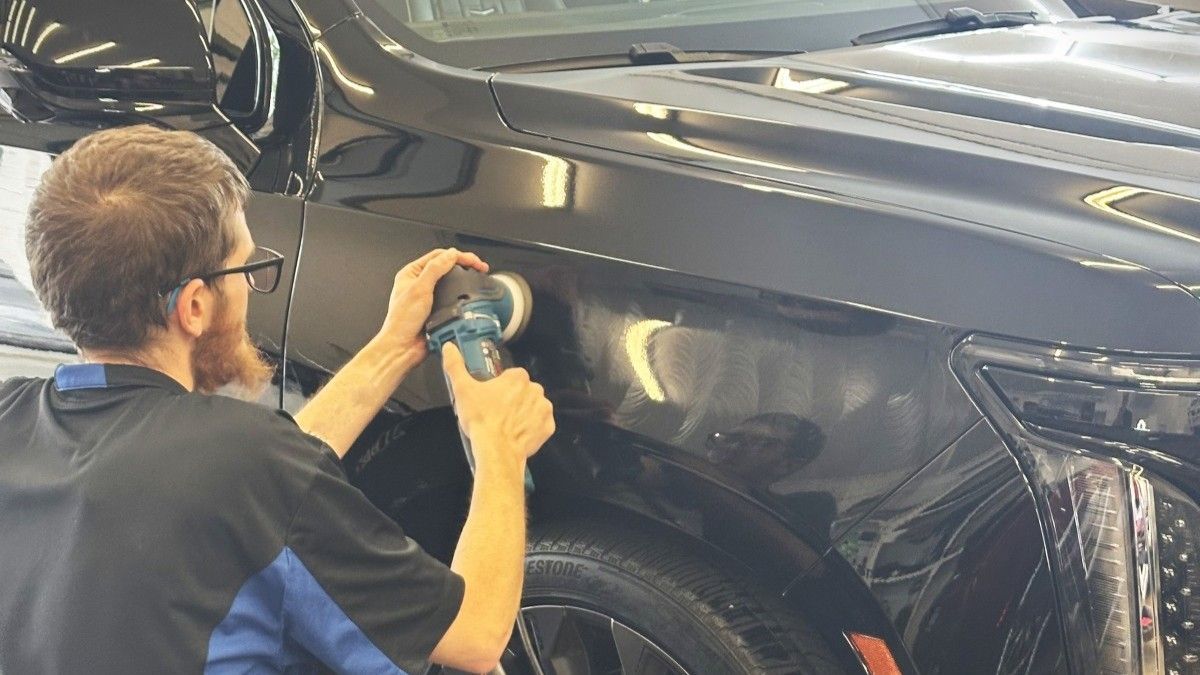
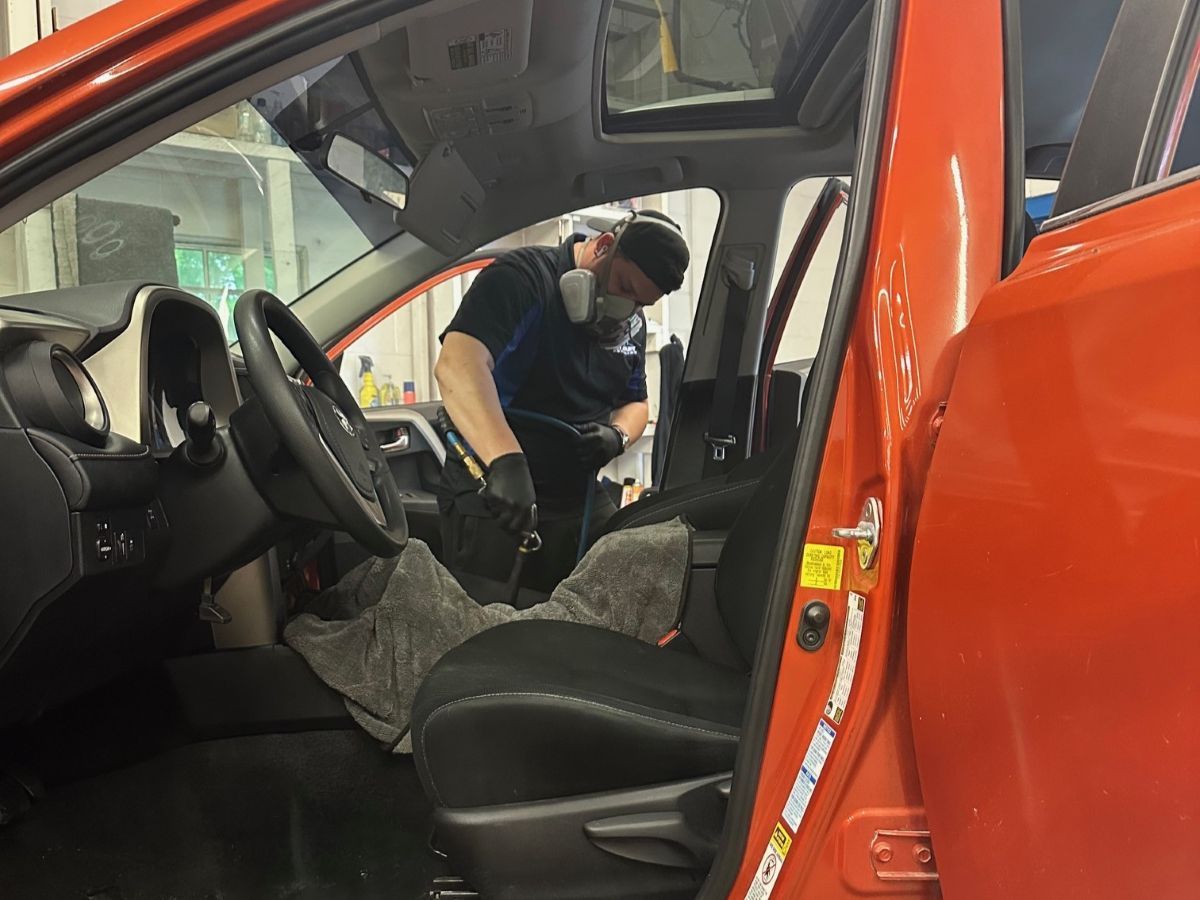
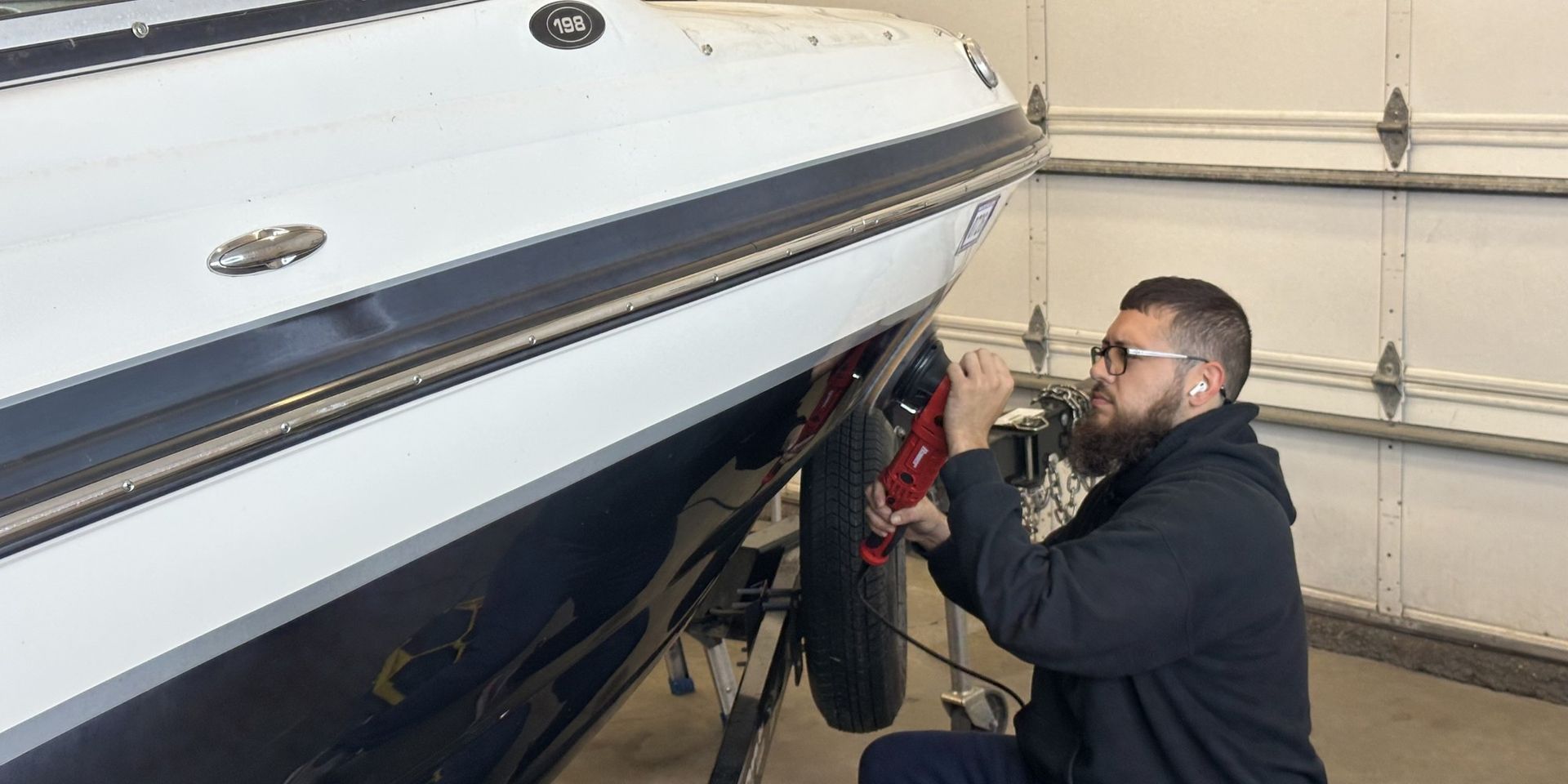
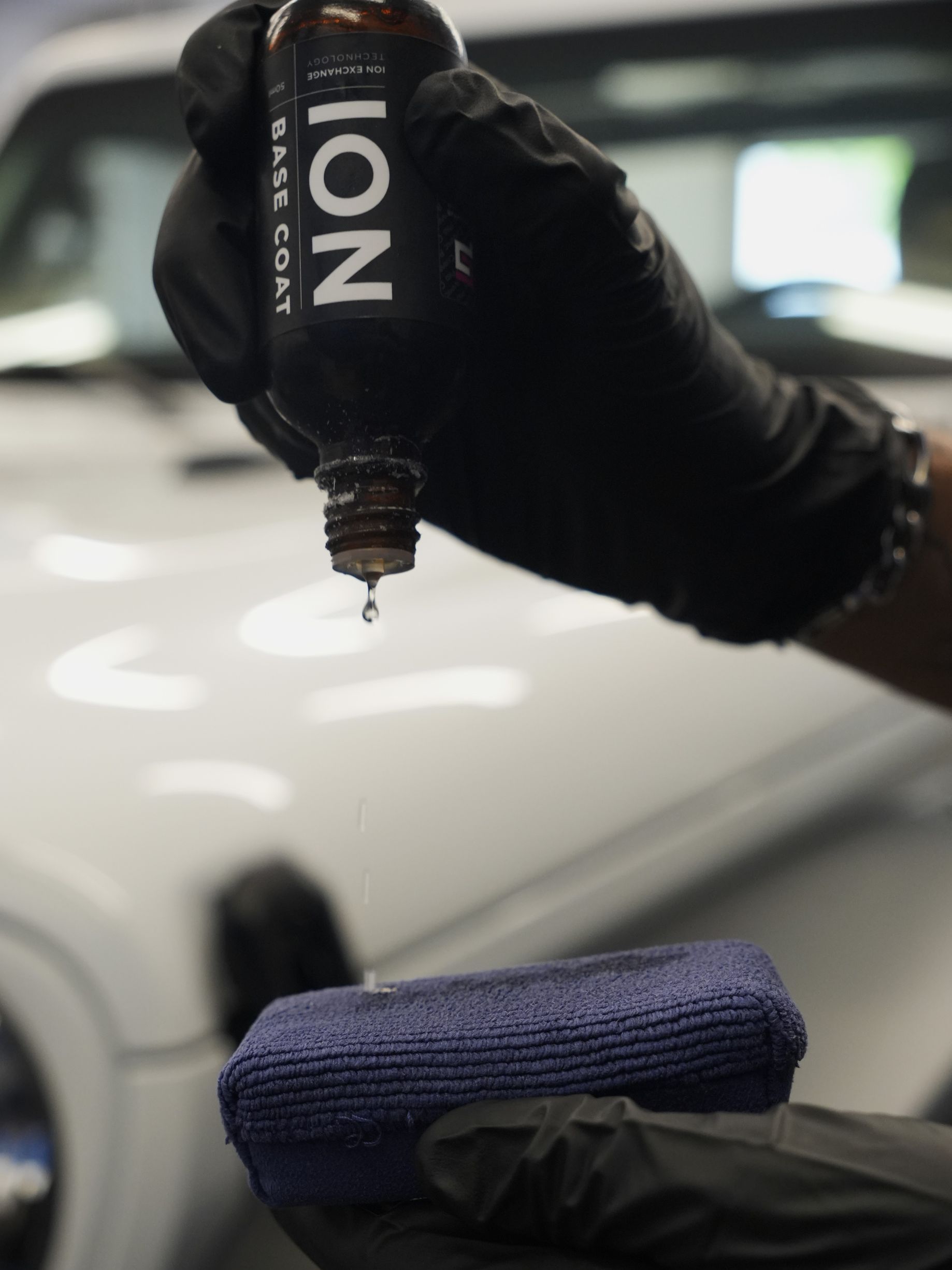
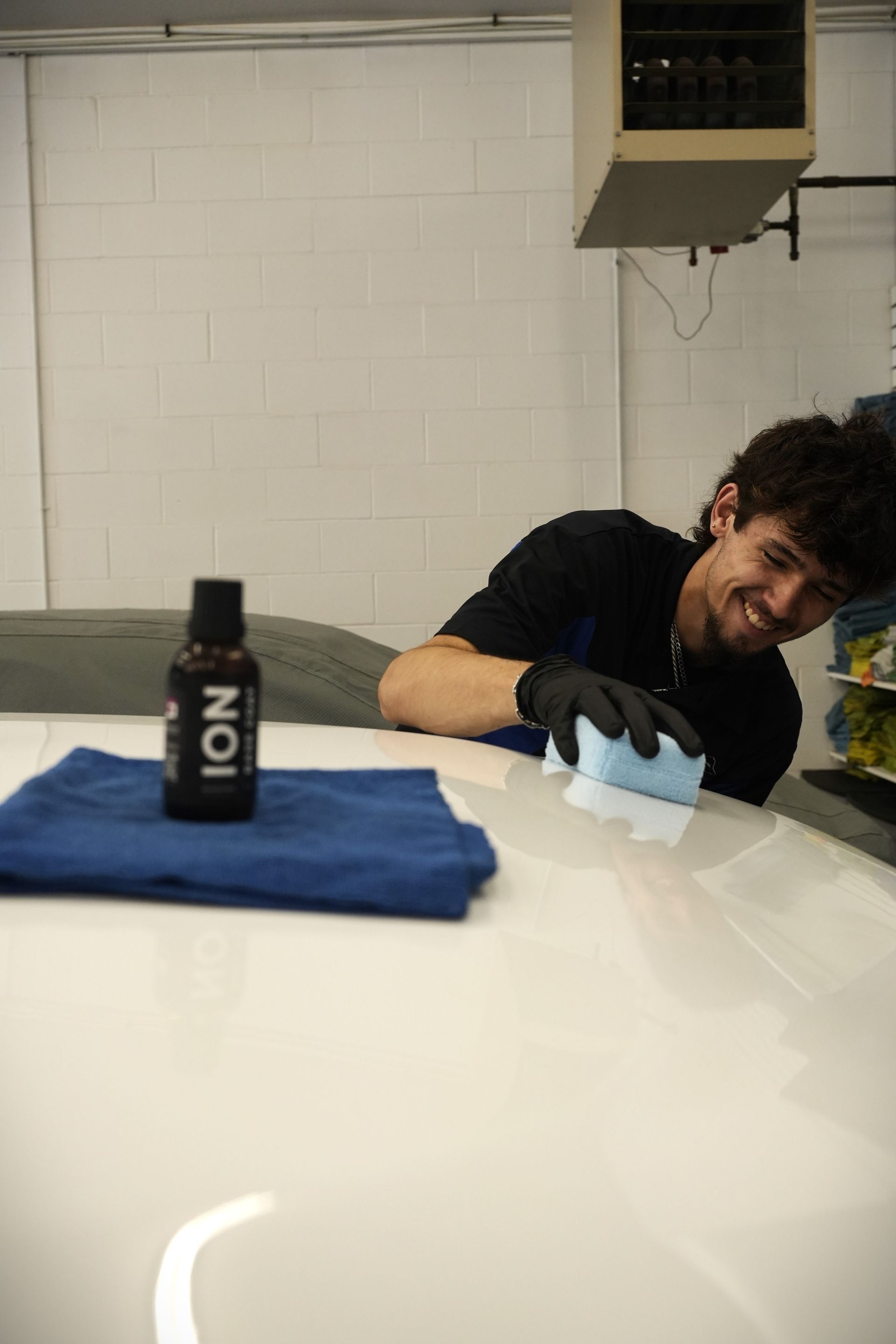
Applying a ceramic coating isn't simply a matter of slapping some liquid onto your vehicle. It's a precise, step-by-step process that demands patience and attention to detail. The process begins with prep work, which many overlook but is absolutely vital. Before any coating touches the paint, the surface must be flawlessly clean, free from dirt, dust, oils, and even microscopic particles. That means washing thoroughly, then using a clay bar to pick up contaminants that normal washing can't remove. Finally, a careful polish is performed to smooth out imperfections so the coating can bond evenly and deeply. Once prep is complete, the application itself comes next, a task requiring steady hands and methodical pacing. The coating is typically applied with a soft applicator pad designed to spread the product in thin, even layers. Working section by section ensures no area is missed and prevents excessive product buildup that could glaze unequally. Overlapping strokes and rotating the applicator help guarantee consistent coverage. While the liquid might look wet and sticky at first, it begins bonding immediately upon contact with the paint.
Professionals often emphasize working in shaded or controlled environments; direct sunlight or wind can interfere with drying times and lead to uneven curing. This brings us naturally to the curing phase, where patience truly pays off. Curing lets the coating chemically bond with your car's paint on a molecular level, giving it extraordinary durability. This time frame varies. Some products cure within hours, while others take days, but rushing this step can compromise the entire protection system. It's important to keep the vehicle dry and avoid contact during this sensitive period because disturbance can cause blemishes or weak spots in the coating.
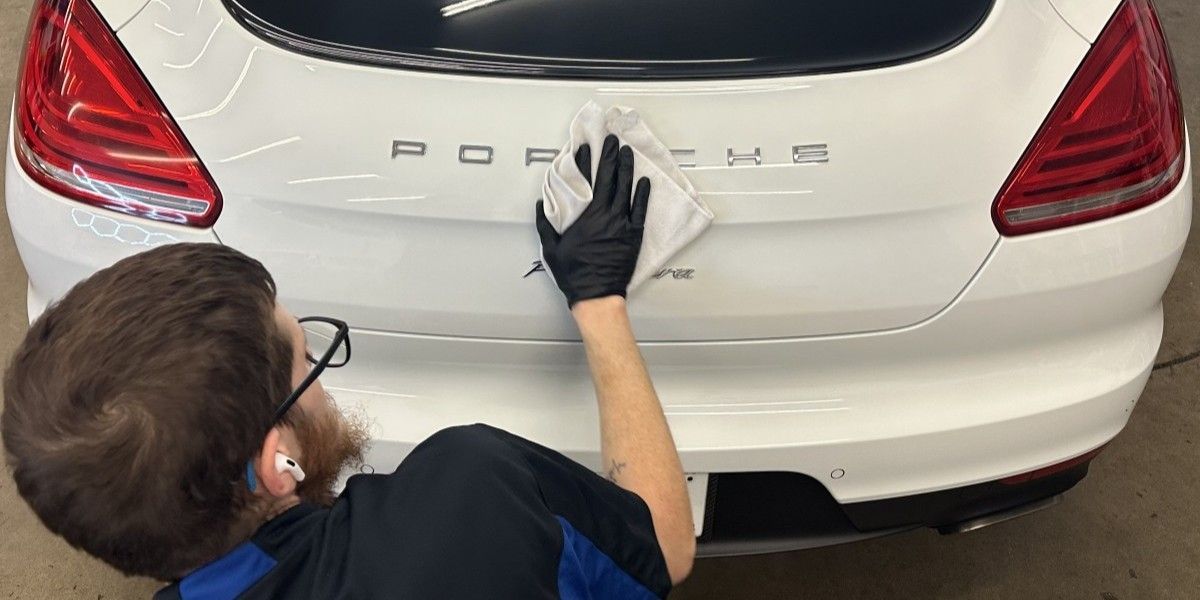
After curing comes the final flourish: buffing. Buffing isn't just about aesthetics. It removes any leftover residue that didn't fully bond and reveals that deep, reflective shine ceramic coatings are famous for. Using a high-quality microfiber towel prevents damage and delivers a smooth finish. With this last step completed carefully, you're left not just with beauty but with long-term resilience against chips, stains, and UV damage. While DIY kits are available for enthusiasts who are willing to experiment, achieving ideal results typically requires professional tools and controlled conditions. Expert application, due to its precision and environmental control factors, is a worthwhile consideration if you're committed to maintaining your vehicle's finish for many years.
Longevity and Maintenance Tips
Ensuring your ceramic coating lasts is not a set-it-and-forget-it process; it requires thoughtful upkeep to preserve its protective qualities and visual appeal. The foundation of this maintenance is regular washing using a pH-neutral car shampoo. Harsh soaps or automated car washes with coarse brushes can damage the coating by stripping away the carefully applied layers. Avoiding harsh chemicals isn't just common sense; it's crucial. Coarse cleaners, polishes, or acidic substances can degrade the ceramic coating, reducing its hydrophobic capabilities. Instead, opt for gentle cleaning agents designed specifically for coated vehicles. This protects the integrity of the sealant while effectively removing dust and grime.
Periodic inspections play an equally important role in maintaining your coating's strength. Take the time to closely observe your vehicle's surface every month, looking for areas where dirt seems unusually persistent. Addressing these issues promptly is key because allowing contaminants to linger can eventually etch into the coating itself. This small effort prevents costly repairs down the road. Washing every two weeks maintains cleanliness without overexposing the coating to potential damage from too-frequent washing. Monthly inspections ensure that any imperfections get noticed early enough to correct swiftly.
Reapplying a top coat annually locks in the ceramic layer's effectiveness. Think of this as giving your vehicle a yearly refresh, replenishing protective qualities worn down over time through weather exposure, UV rays, and environmental pollutants. Treating your ceramic-coated vehicle with care is straightforward if you adopt these habits consistently. Balance gentle yet regular washing, keep an eye on potential damage, and refresh protection yearly. This approach secures not just your investment but also peace of mind knowing your vehicle looks exceptional for years to come.
Protect Your Paint the Right Way
When long-term protection matters, trust My Baby Detailing for
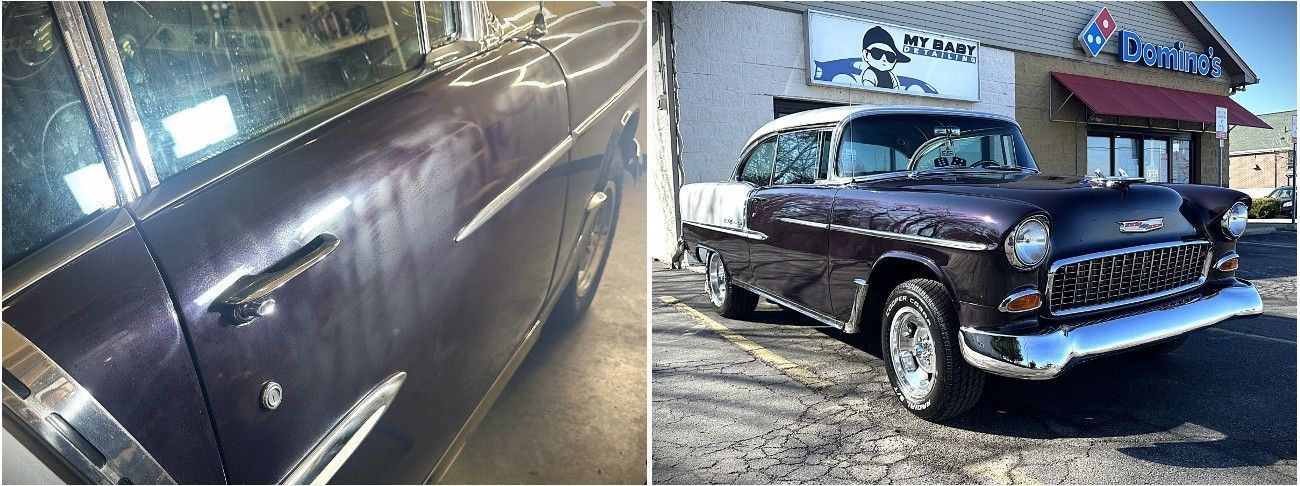
professional ceramic coating services in Mooresville, IN. Our experienced team applies advanced coatings designed to guard your vehicle’s finish from UV exposure, environmental buildup, and daily wear while keeping maintenance simple. Whether you drive a daily commuter or a prized weekend vehicle, our team delivers careful prep, precise application, and results that last.
Schedule a consultation today and give your vehicle the durable protection it deserves from a local team that treats every car like their own!