

Spring Awakening: How to Detail Your Classic Car for the Driving Season
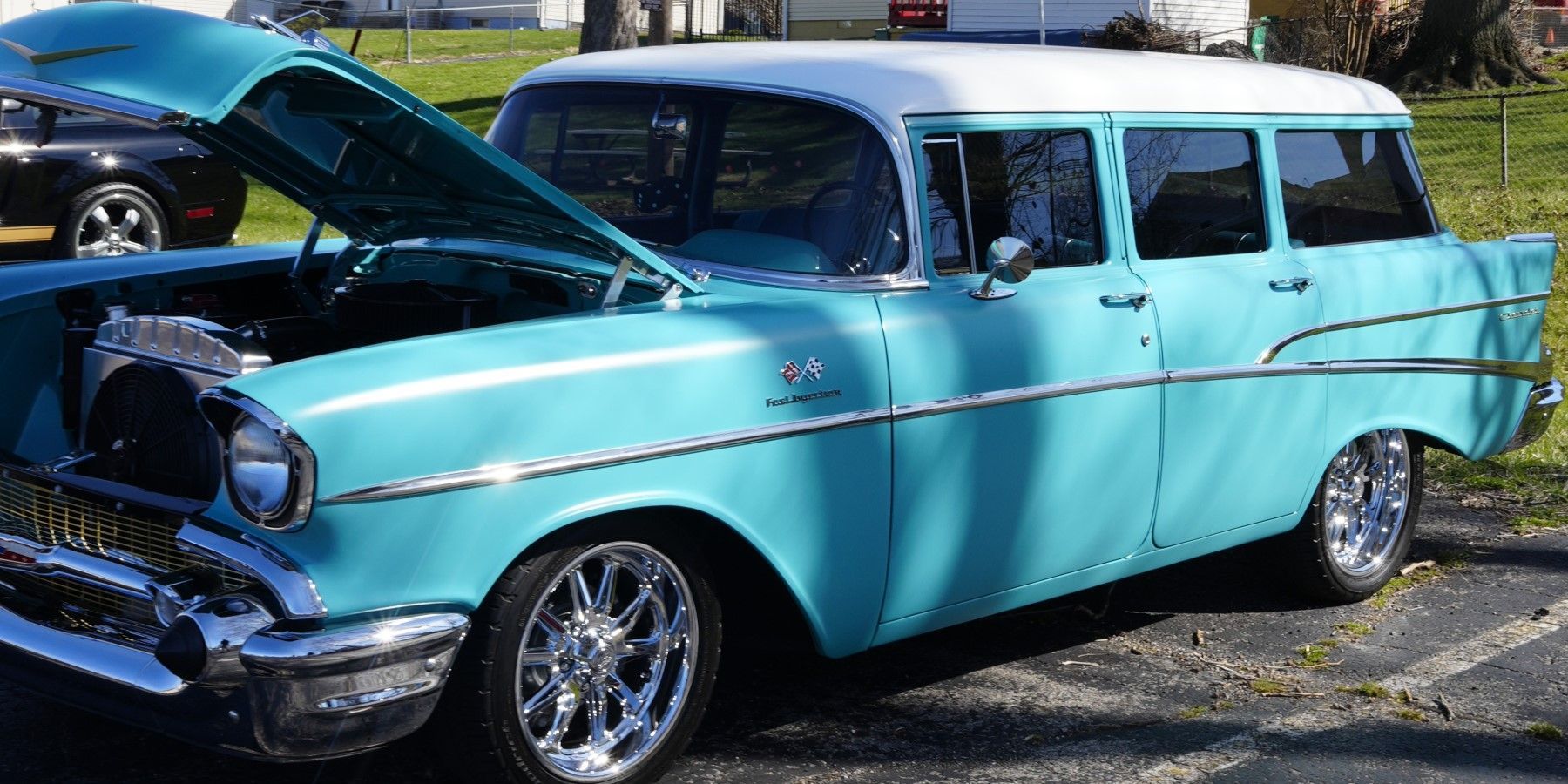
Spring is the season classic car owners look forward to all winter long—the open roads, car shows, cruises, and that unmistakable feeling of cruising with the top down or windows open. But after months of storage (or limited cold-weather driving in places like Indiana), your vintage ride needs more than just a key turn to be ready. From a professional detailing perspective, proper prep isn't just about making it look good—it's about preserving originality, preventing damage, and ensuring the car performs and shines like the rolling piece of history it is.
Winter storage or infrequent use can leave classic cars vulnerable: dust buildup, moisture trapped in interiors, rodent damage, flat spots on tires, dried-out seals, and oxidized or swirled paint from improper covers or condensation. Spring detailing sets the stage for a safe, enjoyable season while protecting your investment.
Step 1: Initial Inspection & Safe De-Storage
Before touching any product or water, do a thorough walk-around:
- Check for rodent nests, chewed wires, or droppings (common under hoods and in interiors after storage).
- Inspect tires for flat spots, dry rot, or cracking—classic bias-ply or vintage radials can develop issues from sitting.
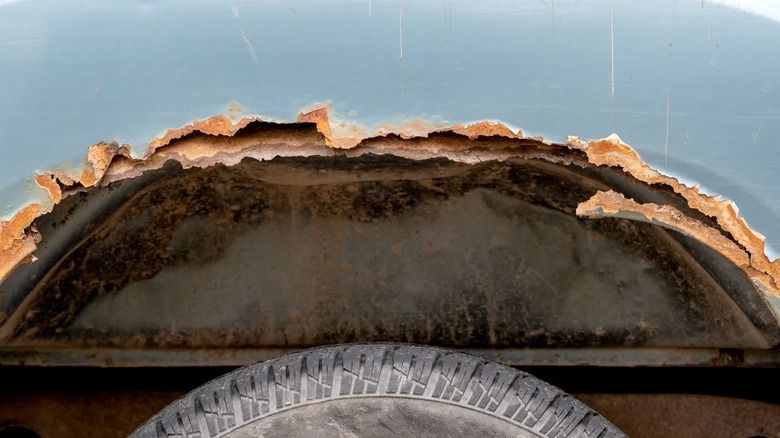
- Look underneath for fluid leaks, rust progression, or debris.
- Pop the hood: Examine belts/hoses for cracks, battery terminals for corrosion, and fluid levels (oil, coolant, brake, transmission).
- Gently exercise doors, windows, and convertible tops to check seals and mechanisms without forcing anything.
Pro tip: If the car has been stored long-term, change the oil/filter right away—old oil can turn acidic and harm internals.
Step 2: Gentle Exterior Cleaning (Preserve That Original Paint!)
Classic paint (especially single-stage lacquer or enamel from pre-1980s cars) is thin and delicate—aggressive products or machines can burn through or leave holograms.
- Pre-wash: Use a pH-neutral foam or snow foam to loosen dust/dirt without touching the paint. Rinse thoroughly.
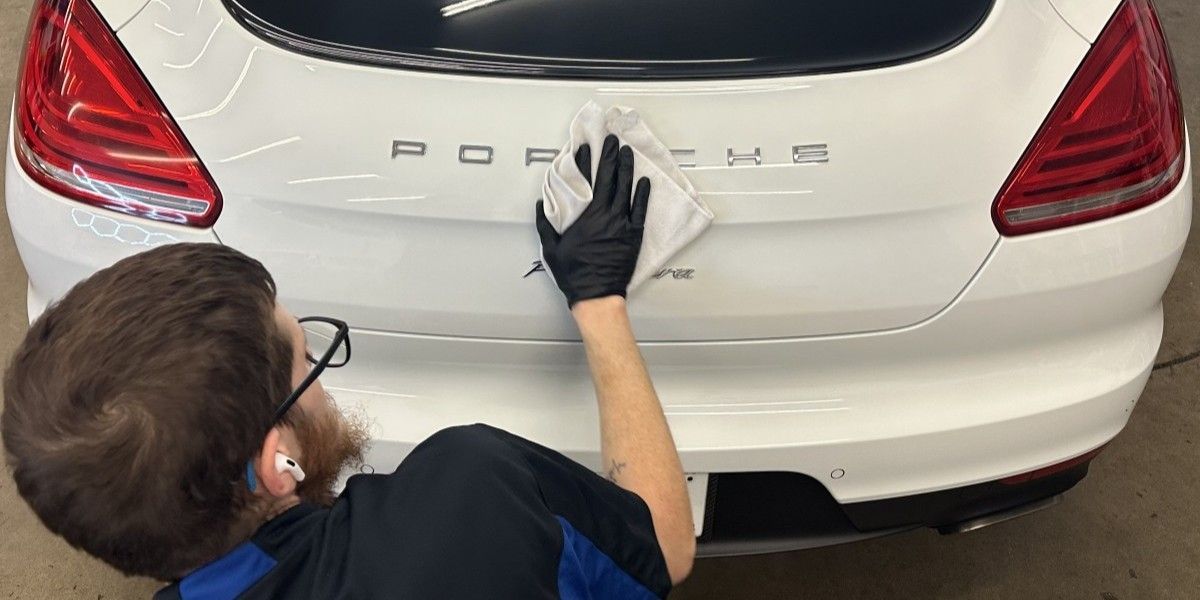
- Two-bucket wash: Hand wash with a grit-guard bucket system and soft microfiber mitt. Avoid automatic brushes or harsh soaps—stick to dedicated car shampoo.
- Clay bar decontamination: Gently remove embedded contaminants (tree sap, industrial fallout) with a fine-grade clay and lubricant. Be extra light on older finishes.
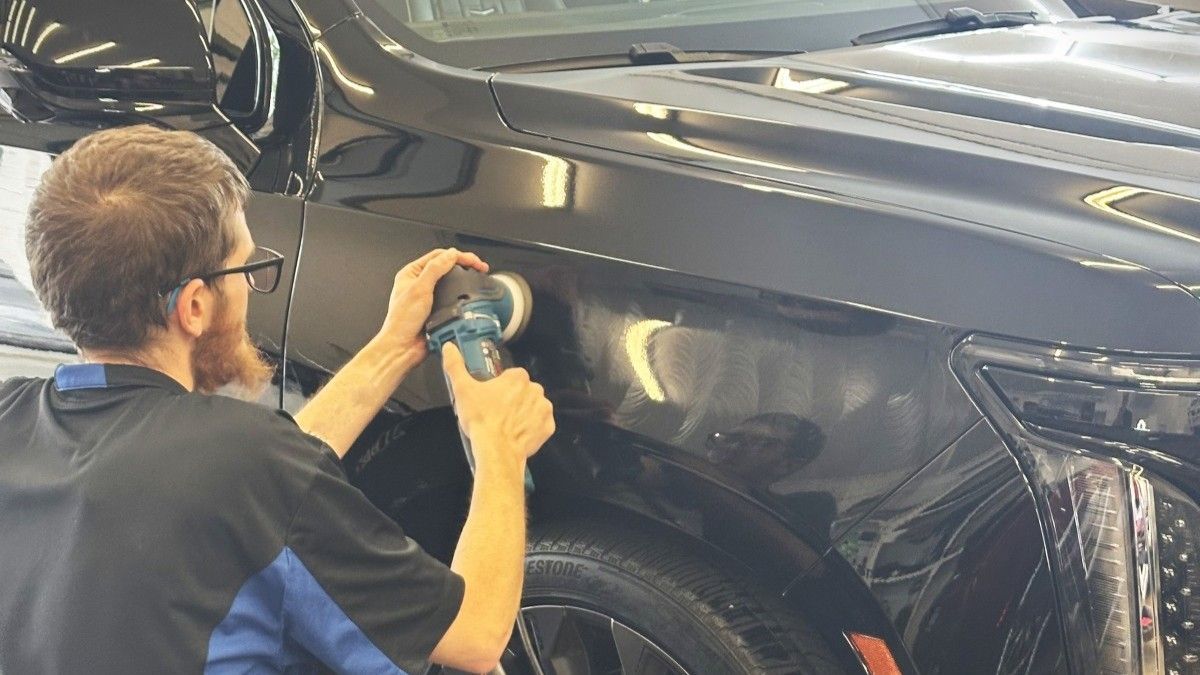
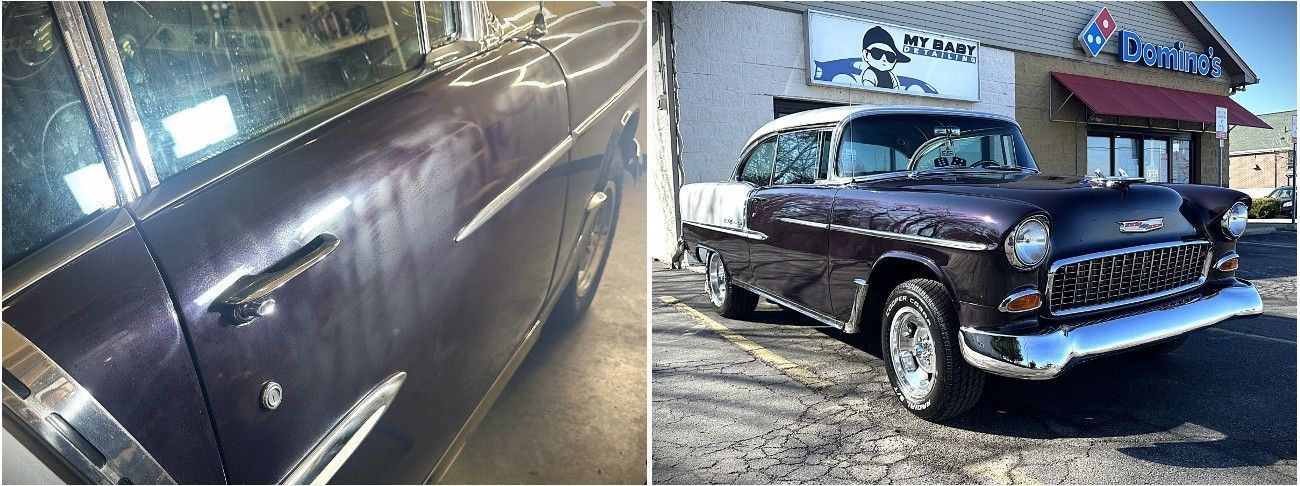
- Paint correction (if needed): For oxidation, light swirls, or water spots, use a very mild polish (hand or DA polisher on low speed) with wool or foam pads. Test in a hidden spot first—many classics only need a jeweling polish rather than heavy compounding.
- Protection: Apply a carnauba-based wax or hybrid ceramic spray sealant for UV/water resistance.
Don't forget chrome, trim, and rubber: Use dedicated chrome polish, trim restorers, and rubber/vinyl conditioners to prevent cracking.
Step 3: Interior Revival (Bring Back the Smell & Feel of History)
Interiors in classics (leather, vinyl, wood, wool carpets) age uniquely and need gentle care.
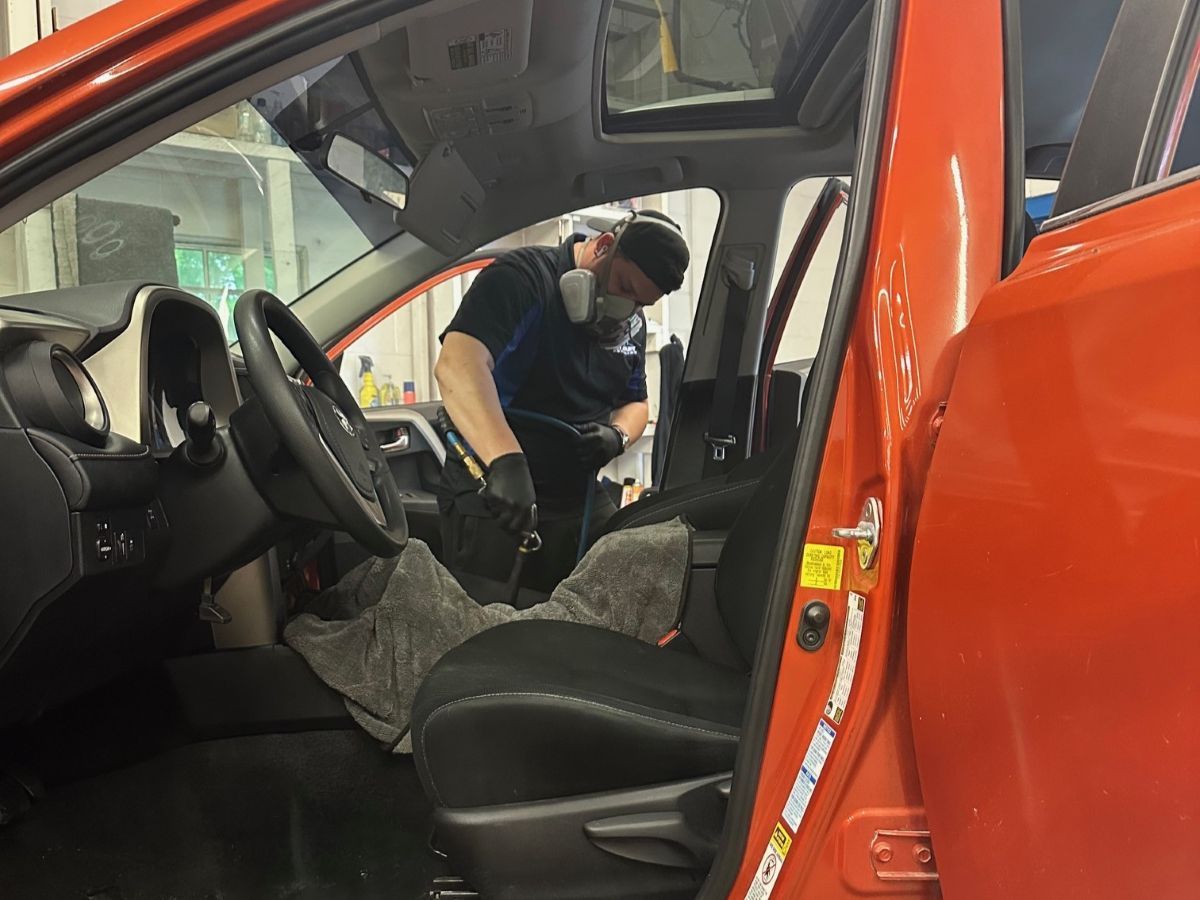
- Vacuum & brush: Remove dust/debris with soft brushes and crevice tools—avoid aggressive brushes on delicate carpets.
- Leather/vinyl cleaning: Use pH-neutral cleaners and conditioners formulated for vintage materials.
- Wood & metal accents: Clean with mild soap and apply protectant—never use harsh abrasives on original finishes.
- Odor & mold check: If musty smells persist, use enzyme treatments or ozone (professionally) to eliminate trapped moisture odors from winter.
- Glass & mirrors: Clean with ammonia-free glass cleaner to avoid streaking on old windshields.
Step 4: Final Touches & Protection for the Season
- Tire dressing: Use a non-sling formula to restore sidewall shine without attracting dirt. Clean white walls with Bleche-wite and fine steel wool.
- Engine bay: Degrease lightly (avoid high pressure on old wiring), dress hoses/plastics, and detail for show-quality look.
- Test drive & re-check: After everything dries, take a short drive and re-inspect for any issues that appear under heat/load.
Why Professional Detailing Makes Sense for Classics
DIY is rewarding, but pros bring experience with vintage materials, proper lighting to spot imperfections, and access to low-aggression products that won't harm irreplaceable finishes. A good detailer can spot early rust, dry rot, or hidden damage you might miss.
At My Baby Detailing | Ceramic Pro Indy, we specialize in classic and vintage vehicles—whether it's a gentle hand polish on single-stage paint, safe interior revival, or adding modern protection (like Ceramic Pro ION) that won't alter the original look. We understand the balance between preservation and perfection.
Don't let winter neglect shorten your spring driving season. Schedule a pre-season detail now—your classic will thank you with smoother rides, deeper shine, and fewer headaches all summer long.
Ready to wake up your ride? Contact Us today for a personalized spring prep plan!
Happy cruising!
#ClassicCarDetailing #SpringPrep #VintageCarCare #CeramicPro #MyBabyDetailing #IndyDetailing